Wednesday, 21 August 2019

Top interesting activities on rainy season in Hoi An

Top interesting activities on rainy season in Hoi An
From the end of October to February, many tourists visit Hoi An. It is the high season. However, normally, that period is rainy season. But don’t worry! Below are some recommendations of things to do in Hoi An when it rains so that you can make your holiday more interesting.

Try a Vietnamese painting or lantern-making class

Try a Vietnamese painting or lantern-making class
The majority of shops in Hoi An tend to be non-profit organizations selling souvenirs made by disadvantaged and often disabled locals, where you can also join a traditional Vietnamese painting or lantern-making class at reasonable rates.

The Lifestart Foundation Workshop in Hoi An Old Town offers a half-day class for VND 720,000, comprising two workshops, complimentary Vietnamese tea, as well as the opportunity to learn about the Lifestart Foundation’s initiative for helping people from disadvantaged backgrounds.

Learn to make a Vietnamese meal

Learn to make a Vietnamese meal
The Gioan Restaurant and Cooking School not only offers great meals, but also an opportunity to learn how to replicate Vietnamese flavors when you return home. Classes at Gioan include a trip to the local market to pick up ingredients, and personalized tutoring from one of their three friendly in-house chefs. You will learn to make an entire Vietnamese meal, including dishes like pho noodles, spring rolls, banh xeo (Vietnamese crepe), and green papaya salad.

Go for a spa session

Go for a spa session
Instead of confining yourself in the comfort of your hotel room, why not indulge in a pampering facial or massage during a rainy day in Hoi An? The majority of hotels and resorts offer a wide range of spa treatments, but you might discover better pampering at a significantly lower price at one of the local day spas. There are a few to choose from, most of which are within walking distance of Hoi An Riverside, and it is also worth checking out what discounts are available as most of them offer at least 10% off during their quieter hours.

Get a tailor-made suit

Get a tailor-made suit
Hoi An used to be important to Southeast Asia’s textile trade for centuries, so it is no surprise that the city’s streets are filled with skilled tailors and leather goods workshops where you can have any item of clothing or accessory you like made to order.

Many shops have been open for generations, producing top quality garments, but recent years have seen an explosion in poorer quality workshops, make sure to take precautions against unscrupulous business practices. Always go to the tailor’s with the specific details (material, fit, stitching, etc.) of what you want, shop around for the best rates, and never depend on hotels’ or taxi drivers’ recommendations, if you want the best of Hoi An’s craftsmanship.

Visit an Art Gallery or Museum

Visit an Art Gallery or Museum
Art galleries are plentiful in Hoi An Old Town, featuring beautiful paintings and photographs by notable artists throughout Vietnam. Displayed for sale, most revolve around traditional Vietnamese life, including nature, people and costumes, as well as traditional villages and landmarks. If you are more of a history buff, then museums such as the Museum of Trade Ceramics and Hoi An Museum of History and Culture are must-visits during a rainy day in the UNESCO-listed town.

Visit Thanh Ha Pottery Village, “Traditional Craft Village”

Visit Thanh Ha Pottery Village, “Traditional Craft Village”
Thanh Ha Pottery Village is only around 4km away from Hoi An and easily accessible by both bicycle and scooter. Take the road that runs next to the river to experience some local living styles here.

While visiting Thanh Ha Pottery Village, you will have a chance to explore traditional potteries making by local people. Also, you can learn how to make pottery by yourself. The ceramic product made by your own hands will be the most fabulous souvenir.

See more: A journey through peaceful villages in Hoi An

Source Internet

5 shopping malls to visit in Chinatown, Singapore

5 shopping malls to visit in Chinatown, Singapore
Singapore's Chinatown is the original Singapore, cleaned up for the tourists. Gone are the street vendors and the petty crime of yesteryear, with gleaming renovated shophouses and malls standing in their stead. Within these boundaries, you'll find the following interesting shopping stops.

Chinatown Street Market

Chinatown Street Market
Chinatown's street market, centered around Trengganu and Smith Streets (location on Google Maps), is the first shopping sight travelers see, being located right across from the MRT station exits.

The narrow streets of Smith Street, Trengganu Street, Temple Street, Sago Lane and Pagoda Street offer Singapore's best street shopping experience, centered on what used to be the island's opium district.

The Street Market was first introduced in 2004 as an attempt to recreate (and clean up) the old-school street hawkers of Chinatown, minus the street trash and the cheats. About 140 stalls line the streets, offering great deals on gray-market electronics, traditional crafts, fashion rip-offs, and antiques of questionable provenance.

Great hawker food can be sampled on Smith Street, known alternatively as “Chinatown Food Street”. The hawkers along this al fresco space serve up Singapore's most famous foods, from laksa to roast duck to char kway teow to Hainanese chicken rice.

Stalls start selling by 10am and close for the day at 10pm. Avoid visiting during high noon, and come instead at dusk as the street lights and stall illumination turn the Street Market into a magical sight.

People's Park Centre

People's Park Centre
People's Park Complex (1 Park Road, official site, location on Google Maps) presents an interesting mix of stores selling traditional Chinese goods and cheap modern items - clocks, electronics, jewelry, and textiles jostle alongside religious icons, Chinese herbs, and traditional Chinese food.

For many locals, People's Park is a repository for old Singapore nostalgia through stores selling old photos and Chinatown memorabilia. Travel agents and massage parlors also call People's Park Complex home.

There are a fair number of cellphone and cellphone-related stores in the complex, though those stalls have a reputation for dishonest service, going by its dubious distinction of “most complained-about shopping center”.

China Square Central

China Square Central
Singaporeans hankering for the good old days converge on China Square Central (18 Cross St., official site, location on Google Maps), whose most popular attractions draw on an appetite for nostalgia.

On Sundays (9am to 6pm), the China Square Central Flea Market sets up shop in the main atrium, hawking kitsch and retro goodies in excess – comic books, retro appliances like rotary telephones and grandfather clocks; antiques; and toys – all taking up two floors of the mall.

Chinatown Point

Chinatown Point
Chinatown Point (133 New Bridge Road, official site, location on Google Maps). You won't miss this towering structure on New Bridge Road, and the 220-plus shops within its five floors of retail space.

Of particular interest is the four-level Podium B within the store, a series of shops known collectively as the Singapore Handicraft Centre selling a wide range of handicrafts, including (but not limited to) porcelain, bronze artifacts, wood carvings, paintings, antique furniture, Chinese musical instruments, and traditional embroidery.

Other bargains within the building include watches, cosmetics, shoes, and cosmetics. Speaking of cosmetics, Chinatown Point also houses a number of good-value beauty salons.

Colonial houses on Ann Siang Road, Singapore

Colonial houses on Ann Siang Road, Singapore
This is the last remaining hill in Chinatown; two other hills had been leveled, their mass used to reclaim the sea in the 1890s. Lately, Ann Siang Hill has found a second lease on life as a home for boutique shopping brands – Ann Siang Road and Club Street, in particular, are lined with cute entrepreneurial shops selling quirky but high-quality apparel and accessories.

The decades-old shophouses along Ann Siang Hill now carry retail brands banking on the strong retro vibe of the neighborhood, from noted haberdashery Aston Blake to Aster by Kyra’s Peranakan-inspired ceramics. Stay till after dark, and flit between the bars that come to life at night.

See more: 6 must-try restaurants in Chinatown, Singapore
Source: Internet

Tuesday, 20 August 2019

Take a trip to Yokohama, Japan

Yokohama is Japan’s second largest city and is the capital of Kanagawa Prefecture. Yokohama is such a great place and if you have an extra day of time after traveling around the major cities and places in Japan, squeeze in a day trip to Yokohama.

Take a trip to Yokohama, Japan
There are many different attractions in Yokohama, including one of the world's largest Chinatown, stylish shopping malls, a Ferris wheel and park along the sea, and more.

1. Yokohama Chinatown

Take a trip to Yokohama, Japan

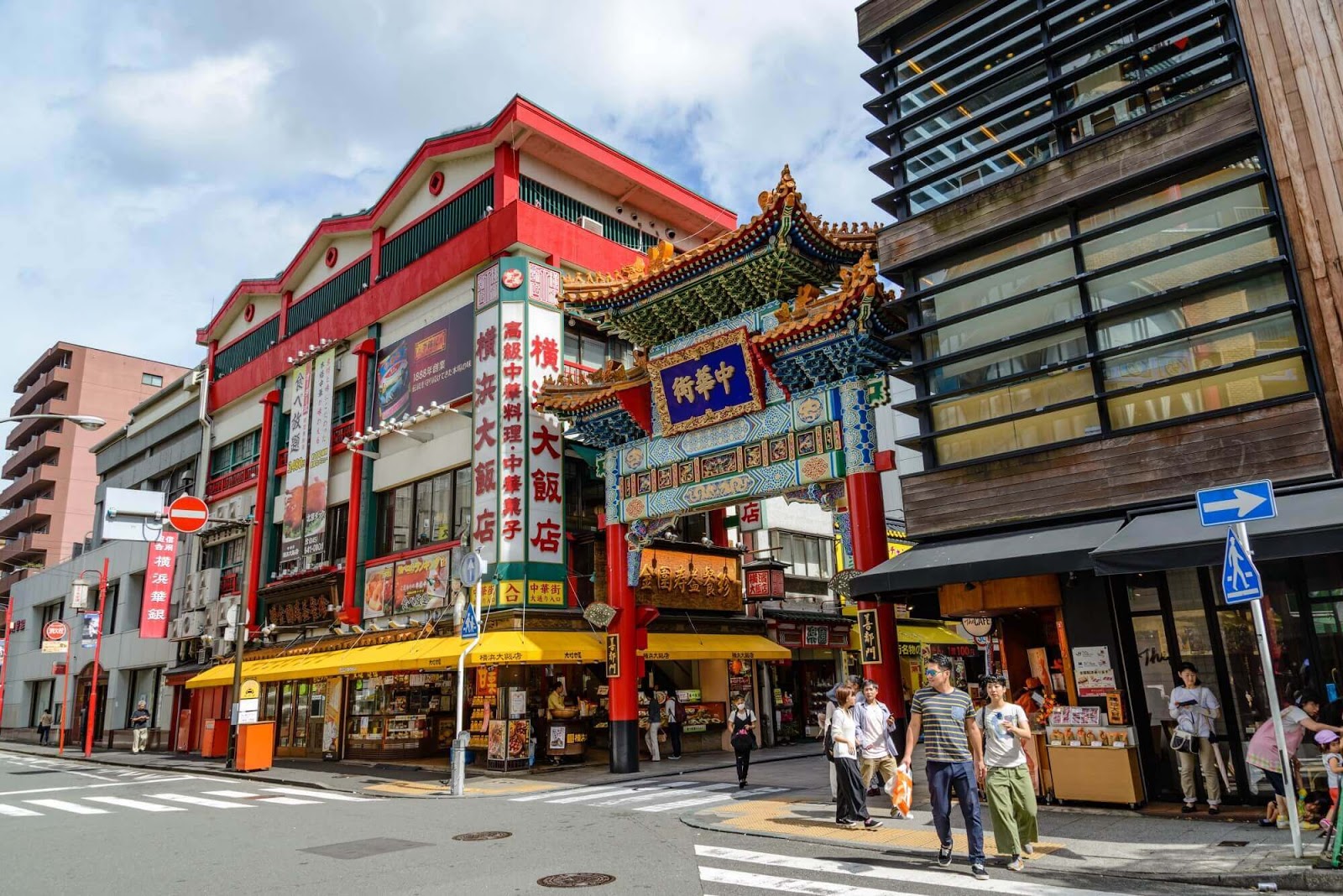
Japan's largest Chinatown is located in central Yokohama. A large number of Chinese stores and restaurants can be found in the narrow and colorful streets of Chinatown. Various events and festivals such as Chinese New Year around the beginning of February are also held at Chinatown.

The main attraction of the Yokohama Chinatown, however, is the cuisine offered at its many restaurants and food stands. Popular favorites include steamed buns (Manju), ramen noodles and a wide array of other Chinese dishes, many of which have been Japanized to a certain degree.

Read more: The most famous Chinatowns in Asia

2. Yamashita Park

Take a trip to Yokohama, Japan
Here is a public park that stretches about 750 meters along Yokohama's waterfront. The park is about a hundred meters wide and consists mostly of open green space.

One of the park's main features is a wide path that runs along the water. It is usually quite busy, with many people enjoying the view of the bay and the ships passing by. At the park's southern end, the path leads into the Rinkosen promenade, which passes by the Osanbashi Pier and leads to Minato Mirai. The walk is a pleasant way to travel between the areas.

3. Cup Noodles Museum

Take a trip to Yokohama, Japan
A fun and interactive museum in Yokohama's Minato Mirai District that shows the history of instant ramen noodles using a combination of whimsical exhibits and hands-on workshops. It was opened by the Nissin Food company, whose founder invented instant ramen noodles in 1958 as a fast and convenient food.

The museum shows a short film introducing the history of instant noodles, together with unconventional exhibits such as a replica of the shed where instant noodles were invented and a visual timeline of instant noodle products from around the world. Moreover, there are also several activities at the museum including the popular My Cupnoodles Factory workshop where you can create your own original cup noodle by mixing and matching a variety of soup flavors and toppings.

4. Yokohama Landmark Tower Sky Garden

Take a trip to Yokohama, Japan
The second tallest building in Japan from where you can enjoy the incredible night view that has been selected as one of the Top 100 city views. The Sky Garden is located on the 69th floor. Other floors of the building function as offices, hotel, shopping mall, and a multi-purpose hall.

5. Sankeien Garden

Take a trip to Yokohama, Japan
Sankeien is a spacious Japanese style garden in southern Yokohama which exhibits a number of historic buildings from across Japan. There is a pond, small rivers, flowers and wonderful scrolling trails that make you think you are in Kyoto rather than Yokohama.

6. Ramen Museum

Take a trip to Yokohama, Japan
The Shinyokohama Raumen Museum is a unique museum about ramen, a very popular Japanese noodle dish which was originally introduced from China. In a gallery on the first floor, the Ramen Museum presents the history of ramen noodles in Japan, including the big success of instant ramen. It displays the variety of noodles, soups, toppings, and bowls used across Japan, and shows how the noodles are made.

On the two basement floors, visitors can explore a 1:1 replica of some streets and houses of Shitamachi, the old town of Tokyo, of around the year 1958, when the popularity of ramen was rapidly increasing. For visitors who wish to try multiple ramen dishes, every store offers "mini ramen", a small portion of the featured dish.

Source Internet