Tuesday, 20 August 2019

Take a trip to Yokohama, Japan

Yokohama is Japan’s second largest city and is the capital of Kanagawa Prefecture. Yokohama is such a great place and if you have an extra day of time after traveling around the major cities and places in Japan, squeeze in a day trip to Yokohama.

Take a trip to Yokohama, Japan
There are many different attractions in Yokohama, including one of the world's largest Chinatown, stylish shopping malls, a Ferris wheel and park along the sea, and more.

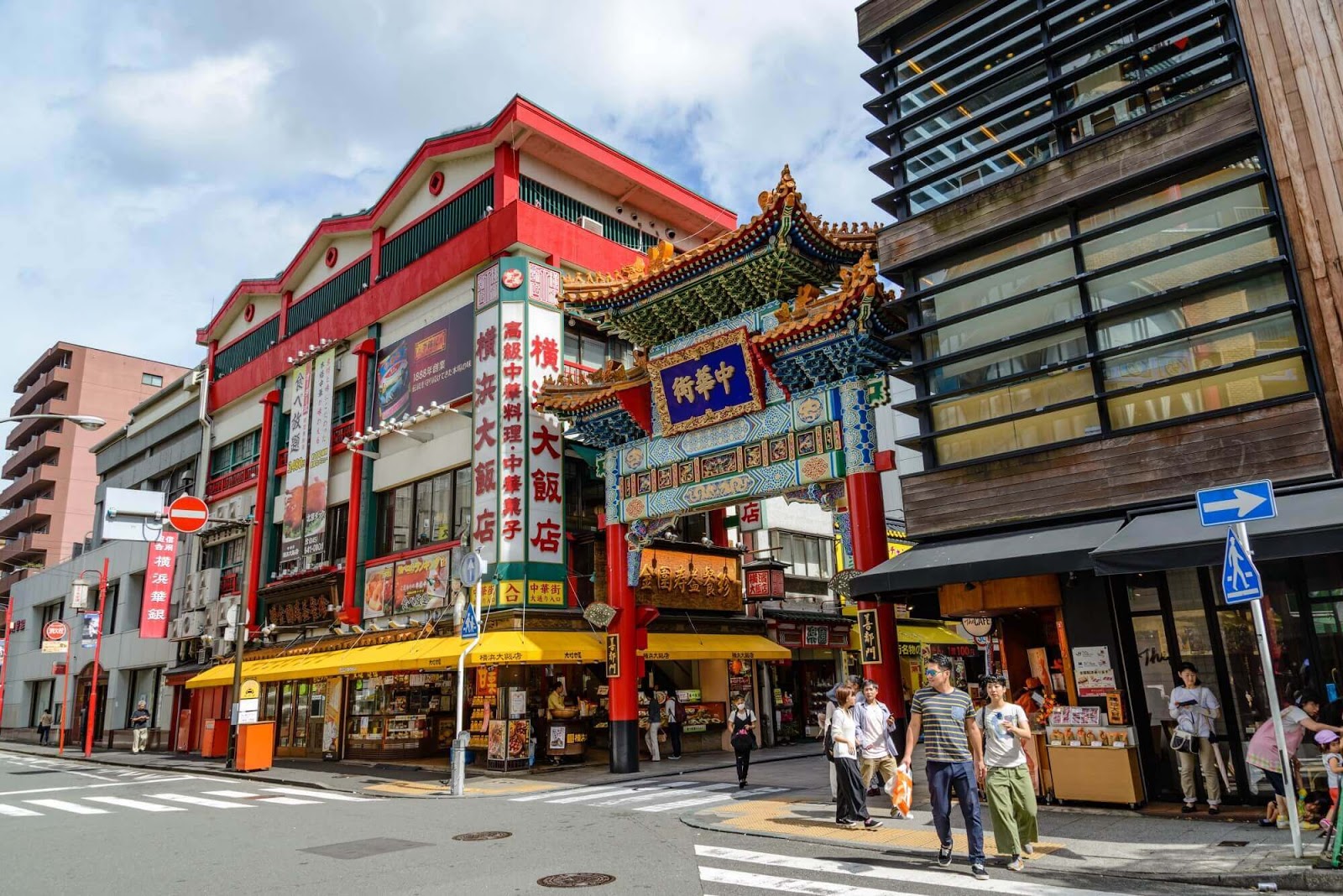
1. Yokohama Chinatown

Take a trip to Yokohama, Japan

Japan's largest Chinatown is located in central Yokohama. A large number of Chinese stores and restaurants can be found in the narrow and colorful streets of Chinatown. Various events and festivals such as Chinese New Year around the beginning of February are also held at Chinatown.

The main attraction of the Yokohama Chinatown, however, is the cuisine offered at its many restaurants and food stands. Popular favorites include steamed buns (Manju), ramen noodles and a wide array of other Chinese dishes, many of which have been Japanized to a certain degree.

Read more: The most famous Chinatowns in Asia

2. Yamashita Park

Take a trip to Yokohama, Japan
Here is a public park that stretches about 750 meters along Yokohama's waterfront. The park is about a hundred meters wide and consists mostly of open green space.

One of the park's main features is a wide path that runs along the water. It is usually quite busy, with many people enjoying the view of the bay and the ships passing by. At the park's southern end, the path leads into the Rinkosen promenade, which passes by the Osanbashi Pier and leads to Minato Mirai. The walk is a pleasant way to travel between the areas.

3. Cup Noodles Museum

Take a trip to Yokohama, Japan
A fun and interactive museum in Yokohama's Minato Mirai District that shows the history of instant ramen noodles using a combination of whimsical exhibits and hands-on workshops. It was opened by the Nissin Food company, whose founder invented instant ramen noodles in 1958 as a fast and convenient food.

The museum shows a short film introducing the history of instant noodles, together with unconventional exhibits such as a replica of the shed where instant noodles were invented and a visual timeline of instant noodle products from around the world. Moreover, there are also several activities at the museum including the popular My Cupnoodles Factory workshop where you can create your own original cup noodle by mixing and matching a variety of soup flavors and toppings.

4. Yokohama Landmark Tower Sky Garden

Take a trip to Yokohama, Japan
The second tallest building in Japan from where you can enjoy the incredible night view that has been selected as one of the Top 100 city views. The Sky Garden is located on the 69th floor. Other floors of the building function as offices, hotel, shopping mall, and a multi-purpose hall.

5. Sankeien Garden

Take a trip to Yokohama, Japan
Sankeien is a spacious Japanese style garden in southern Yokohama which exhibits a number of historic buildings from across Japan. There is a pond, small rivers, flowers and wonderful scrolling trails that make you think you are in Kyoto rather than Yokohama.

6. Ramen Museum

Take a trip to Yokohama, Japan
The Shinyokohama Raumen Museum is a unique museum about ramen, a very popular Japanese noodle dish which was originally introduced from China. In a gallery on the first floor, the Ramen Museum presents the history of ramen noodles in Japan, including the big success of instant ramen. It displays the variety of noodles, soups, toppings, and bowls used across Japan, and shows how the noodles are made.

On the two basement floors, visitors can explore a 1:1 replica of some streets and houses of Shitamachi, the old town of Tokyo, of around the year 1958, when the popularity of ramen was rapidly increasing. For visitors who wish to try multiple ramen dishes, every store offers "mini ramen", a small portion of the featured dish.

Source Internet

Top best restaurants in Mandalay, Myanmar

Top best restaurants in Mandalay, Myanmar
Most travelers stop in Mandalay for at least two days and it is possible to discover some great food in the non-tourist restaurants. Below are the best restaurants you should try.

Lashio Lay

Lashio Lay
Although Mandalay’s Burmese population is largely made up of Bamar people, the city’s proximity to the rural Shan State has contributed immensely to the local cuisine. One of the most popular restaurants in the city, Lashio Lay is also the best place for authentic Shan fare. Freshly cooked dishes are displayed at the till, from which you can select the dishes you wish to try. Delicacies include shan tohu (chickpea-flour tofu fritters), wet tha chin (minced pork in rice) and papaya salad, with an emphasis throughout on sesame, peanut and garlic flavours.

Aye Myit Tar

Aye Myit Tar
Brightly lit, this simple but historic thick-walled colonial-era merchant's building houses central Mandalay's most popular upmarket curry eatery. There is a big range of chicken, fish and pork curries; all come with sides, soup and rice. Alternatively, boost your meal by choosing from the salad and vegetable dishes on the menu.

DOSE Mandalay

DOSE Mandalay
Since opening in October last year, DOSE has become a real game changer for Mandalay’s nightlife. Whether you are craving wine, beer, great tunes or steaks, DOSE Mandalay has it all. Of course, the cocktails are enough to tempt most inside, but with its amazing offers and mouth-watering food, do not miss out if you are visiting.

Ko’s Kitchen

Ko’s Kitchen
For much of their history, the countries now known as Myanmar and Thailand were composed of small warring states with constantly shifting boundaries. Lanna, the northern Thai kingdom centered on culinary haven Chiang Mai, was under Burmese control until 1775. There remains a significant Thai minority in Mandalay, and Ko’s Kitchen serves the most elegant Thai food in town.

Located just west of the incredible reconstructed Mandalay Palace, it is housed in a pleasant art deco building and features a glass-walled kitchen that you can watch as you wait.

Green Elephant

Green Elephant
This is basically Burmese cuisine for tour groups, although individuals can usually get a slightly adapted version with six or so dishes on request. The food is good, so if you are nervous about trying Burmese outside on the street, this is a solid bet, but otherwise it is local cuisine with significantly marked-up prices.

Super 81

Super 81
With southern Chinese immigrants accounting for over a third of the city’s population, it is no surprise that many of Mandalay’s best eateries specialize in Cantonese and Yunnan food. Super 81 stands out in a crowded field, serving up a huge variety of dishes; there are a dozen variations of steamed duck alone, along with excellent squid and sea bass, all served in generous portions. Its labyrinthine layout only adds to the charm, with a sprawling network of rooms, terraces and roof gardens hidden behind an unassuming shop front.

Read more: Mandalay, a cultural and religious hub in Myanmar

Source Internet

Monday, 19 August 2019

Indulge in Nepali's unique cuisine

Indulge in Nepali's unique cuisine
Nepali Cuisine combines a range of ingredients, techniques and characteristics from its neighboring countrie,s with its own gastronomic history.

Pulao

Pulao
Rice is the obvious staple for many Nepalese dishes, just like many other Asian countries. The fried rice dish of Pulao (also know as Pilaf and Pilau) is popular with locals and visitors. Vegetable pulao in particular can be found throughout Nepal, and consists of fried rice with vegetables which have been lightly seasoned with turmeric and cumin. Accompaniments to the dish can vary from yoghurt to papadams, and the subtle flavors brought out by the fragrant rice means the dish is a regular feature at social events and times of celebration within the country.

Dal Bhat

Dal Bhat
Due to farming restrictions in some of the higher regions of Nepal, rice is often substituted with other grains, such as cornmeal and barley, in addition to potatoes, unleavened breads and dhido (a porridge-like consistency, made using flour and hot water). This is most obvious when looking at the indisputably popular dish, Dal Bhat. If Nepal had a national dish, this would be it. Having crossed the border from Bengal, Dal Bhat consists of a rice (or substitute) centre, alongside lentils which are surrounded by various different dishes. Sides can include pickles, curried dishes, meat or fish, yoghurt, and chutney. Rice in Nepal is regularly replaced with roti, an unleavened bread. The variations of this dish are countless, but it is important when visiting to try at least one of them in order to get an authentic taste of Nepalese cuisine.

Momo

Momo
Momo are Nepal’s version of dumplings, and usually contain steamed vegetables or meat. Momo are usually accompanied by one or two dips, often with a tomato base or fermented vegetables. Condiments in Nepal are sometimes quite spicy, and often contain raw chili and garlic. Similar to the Gyoza found in Japan, momo are also consumed in parts of India, Bhutan and Tibet, and are a very popular snack. There are some interesting variants of momo, with fillings involving cheese (paneer or chhurpi) or potato. For the most flavorsome momo, the traditional meat and vegetable varieties are a must eat. For good quality Nepalese dumplings, in addition to other traditional foods from Nepal, travelers favor Rosemary Kitchen & Coffee Shop in Kathmandu.

Thukpa

Thukpa
Thukpa is a Nepalese hot noodle soup, containing pieces of meat and vegetables. This wintry delicacy is popular in Kathmandu and other mountainous regions of Nepal, being a warming and comforting dish. Meaning ‘noodle’ in Tibetan, Thukpa takes influences from both Tibet and China, and is often seen eaten alongside momo. The carefully seasoned meat stock gives the dish a very pleasant aroma, meat toppings reflect the fauna of Nepal, and can range from yak, goat, and lamb to chicken. The dish is particularly popular across Nepal and Tibet but the Nepalese version is sometimes spicier, making it more popular than its Tibetan counterpart. For an enjoyable vegetarian Thukpa, the Green Organic Cafe in Kathmandu dishes up vegetarian options of most of the best Nepalese dishes.

Sel Roti

Sel Roti
Sel roti is a cross between a doughnut and a bagel, but sel roti is actually made of rice flour and is like no other bread in the world. A crispy and sweet outer surface gives way to a puffy and soft-textured dough. The rice flour bread is deep fried and worked into a circular shape. The perfect snack or breakfast treat, they are often consumed during Tihar and Dashai religious festivals. Perfect when dipped in yoghurt, alongside vegetables, or simply enjoyed by itself. Sel roti can be found from street vendors, and is best eaten fresh.

Gorkhali Lamb

Gorkhali Lamb
Another winter favorite, Gorkhali lamb is an intense and filling curry dish. The curry is chunky and involves slow cooking the lamb (often lamb chops), adding chunky potatoes and roughly chopped onions. For more flavor, the lamb is often grilled and sealed with a chili mixture before being transferred to the sauce. Rice makes a nice addition to the finished dish, but sometimes a good Gorkhali curry is best when scooped up with some roti. For a selection of curries from Newari and Nepalese cuisine, many visitors head to Nepali Chulo in Kathmandu, which has become famous for its live cultural shows and traditional Nepalese food.

See more: Top 6 holy places to visit in Nepal
Source: Internet